

Neurodivergent-Friendly Interiors: What Does It Actually Mean in Practice?
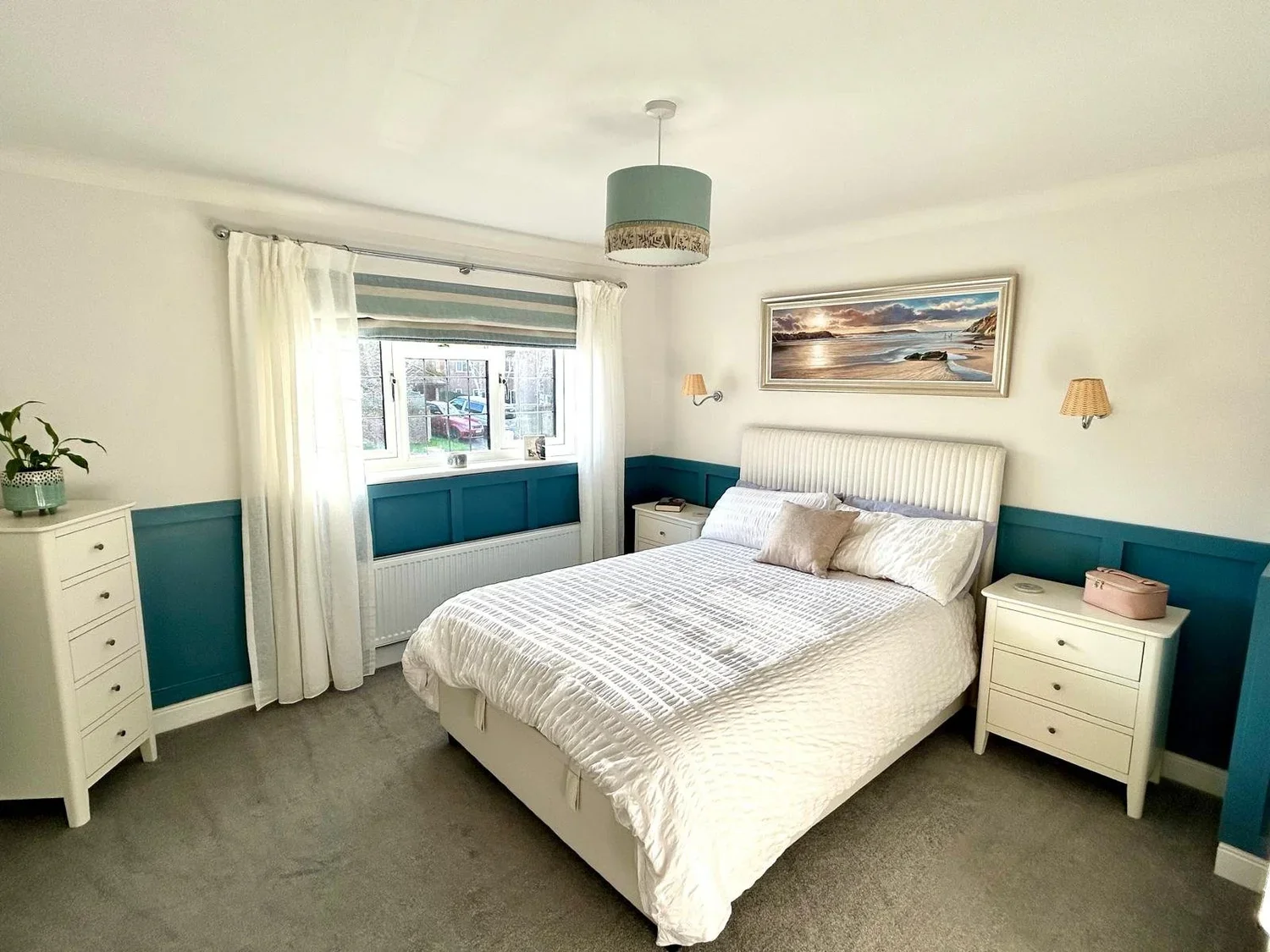
Beautiful, practical spaces designed around real families
July has absolutely flown by!
The school holidays are now in full swing, and like many families, we've been trying to make the most of the sunshine while it's here. We recently spent a day at the beach, which was just what we all needed. Buckets and spades, sandy feet, far too many snacks and, of course, a dip in the sea!
As lovely as the holidays are, they also remind me just how much our homes have to adapt. During term time they have one rhythm, but over the summer they suddenly become playrooms, dining rooms, craft rooms, quiet spaces, cinemas and everything in between. It got me thinking about a question I'm often asked:
"What actually is neurodivergent-friendly interior design?"
It's a phrase that's becoming more common, but it can mean different things to different people. So I thought I'd explain what it really looks like in practice.
It's Not About Following a Particular Style
One of the biggest misconceptions is that a neurodivergent-friendly home has a certain look. It doesn't. It isn't about having white walls, buying specialist furniture or creating a sensory room (although for some families, that can be beneficial). Instead, it's about designing a home that supports the people living in it. Every neurodivergent person is different. Someone with ADHD will have different needs to someone with Autism, Dyslexia or Sensory Processing Disorder, and even two people with the same diagnosis can experience the world very differently.
That's why there is never a one-size-fits-all solution.
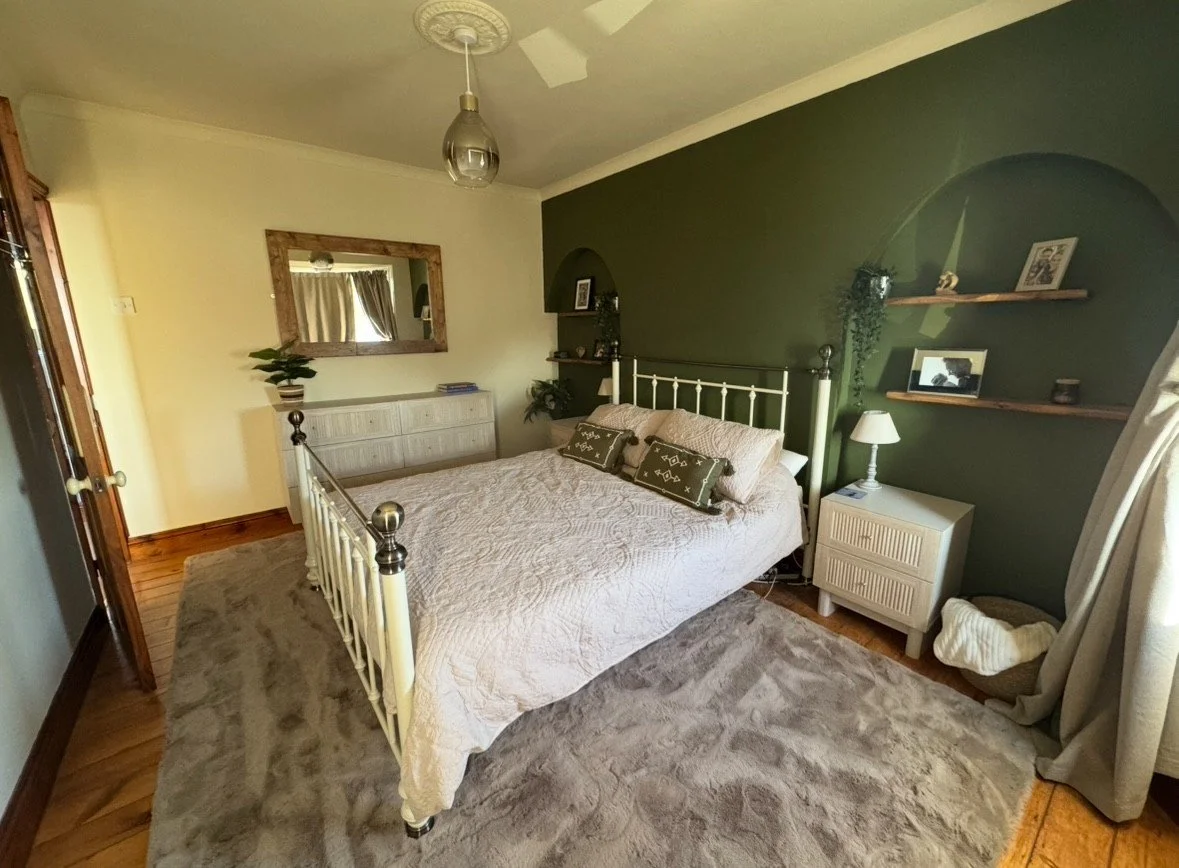
A neurodivergent-friendly home doesn't have to be white or minimalist. It can be full of colour, warmth and personality
It's About Reducing Everyday Friction
When I design a space, I'm constantly asking one question: "How can this home make everyday life feel easier?" Sometimes that means improving storage so toys don't become visual clutter. Sometimes it means creating clearer walkways so rooms feel easier to navigate. Sometimes it means making sure everyday items are easy to find, easy to use and easy to put away. These aren't dramatic changes, but together they can have a huge impact on how a home feels.
It's About Supporting the Senses
Our surroundings influence how we feel far more than many people realise. That doesn't mean removing all colour or making every room neutral. It means thinking carefully about how colours, textures, lighting and patterns work together. For one family, that might mean introducing softer lighting to create a more relaxing evening environment. For another, it could mean reducing busy visual patterns or choosing furniture layouts that feel less overwhelming. Good design isn't about making everything look the same. It's about making thoughtful decisions that suit the people using the space.
It's About Creating Calm Without Losing Personality
This is probably my favourite part. I never want a family's home to feel like a showroom. Children should still have places to play. Family photographs should still be displayed. Favourite books, treasured keepsakes and personality should still shine through. Creating calm isn't about stripping everything back. It's about creating balance. A home can be colourful, cosy and full of character while still feeling organised and supportive.
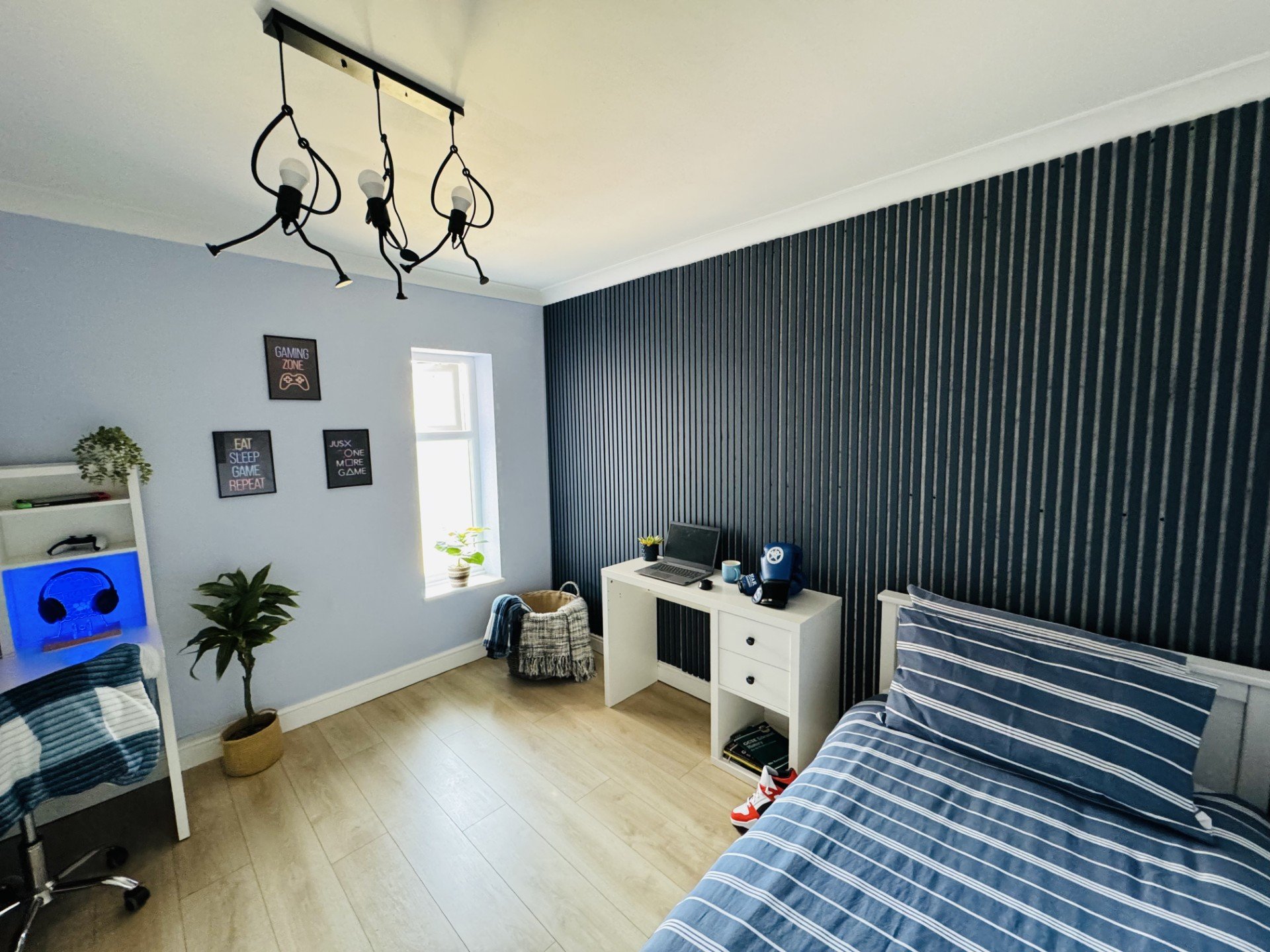
Thoughtful layouts help everyday routines feel simpler, with every area designed to support a clear purpose
It's About Understanding Your Family
The best interiors aren't designed around trends. They're designed around routines. How does your morning work? Where do school bags get dropped? Is homework always done at the kitchen table? Does someone need a quiet place to decompress after school? These everyday habits tell me far more than a Pinterest board ever could. When a home supports your routines instead of working against them, family life often feels just that little bit easier.
Every Family Looks Different
There's no such thing as the "perfect" neurodivergent home. Every family has different personalities, different routines and different challenges. That's exactly how it should be. For me, neurodivergent-friendly interior design isn't about following rules. It's about listening, understanding and creating spaces that genuinely work for the people who live in them. Because at the end of the day, your home shouldn't just look beautiful. It should help you feel calmer, more comfortable and more supported every single day.
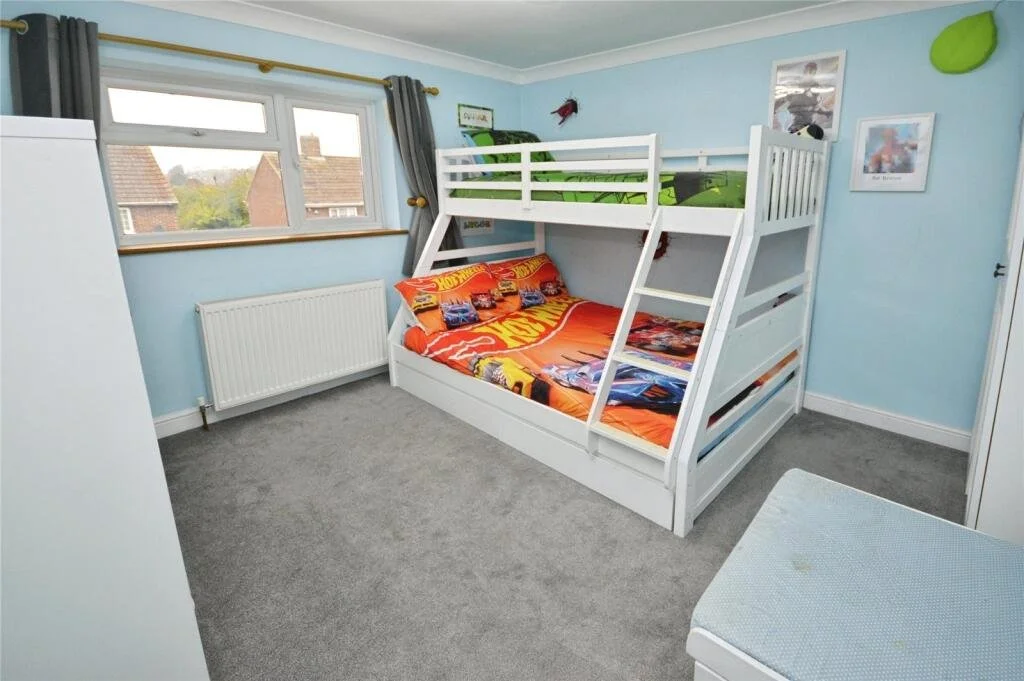
The best-designed rooms reflect the routines, interests and needs of the people who use them
Ready to create a home that works for your family?
Whether you're supporting someone with ADHD, Autism or simply looking to make family life feel a little less overwhelming, thoughtful design can make a real difference. If you're not sure where to start, I'd love to help. Whether it's through a consultation or one of my digital home design guides, my aim is always the same: to help you create a home that's practical, welcoming and designed around the people who matter most. Head on over to my website, www.sophielawsinteriors.co.uk and find out how I can make your space a happy, safe place.
Come and Say Hello! 👋
If you're local to Kent, I'd love to meet you! I'll be exhibiting at the Women in Business Big Show on Thursday 6th August at Longfield Academy. It's a fantastic event full of local businesses, inspiration and networking, and best of all, it's completely free to attend. If you've been curious about neurodivergent-friendly interiors, have questions about your own home, or simply fancy a chat, please do come and say hello.
You can secure your free ticket here:
**Women in Business Big Show 2026.
I hope to see you there!