

It's been a busy few weeks! We've had half term, Halloween and a lovely day out at Decorex with friends, so there's been plenty going on both at home and work.
We had fun decorating the house for Halloween (I'll share a little peek at our decorations here 🎃), and it got me thinking about how much personality the things we put in our homes can bring.
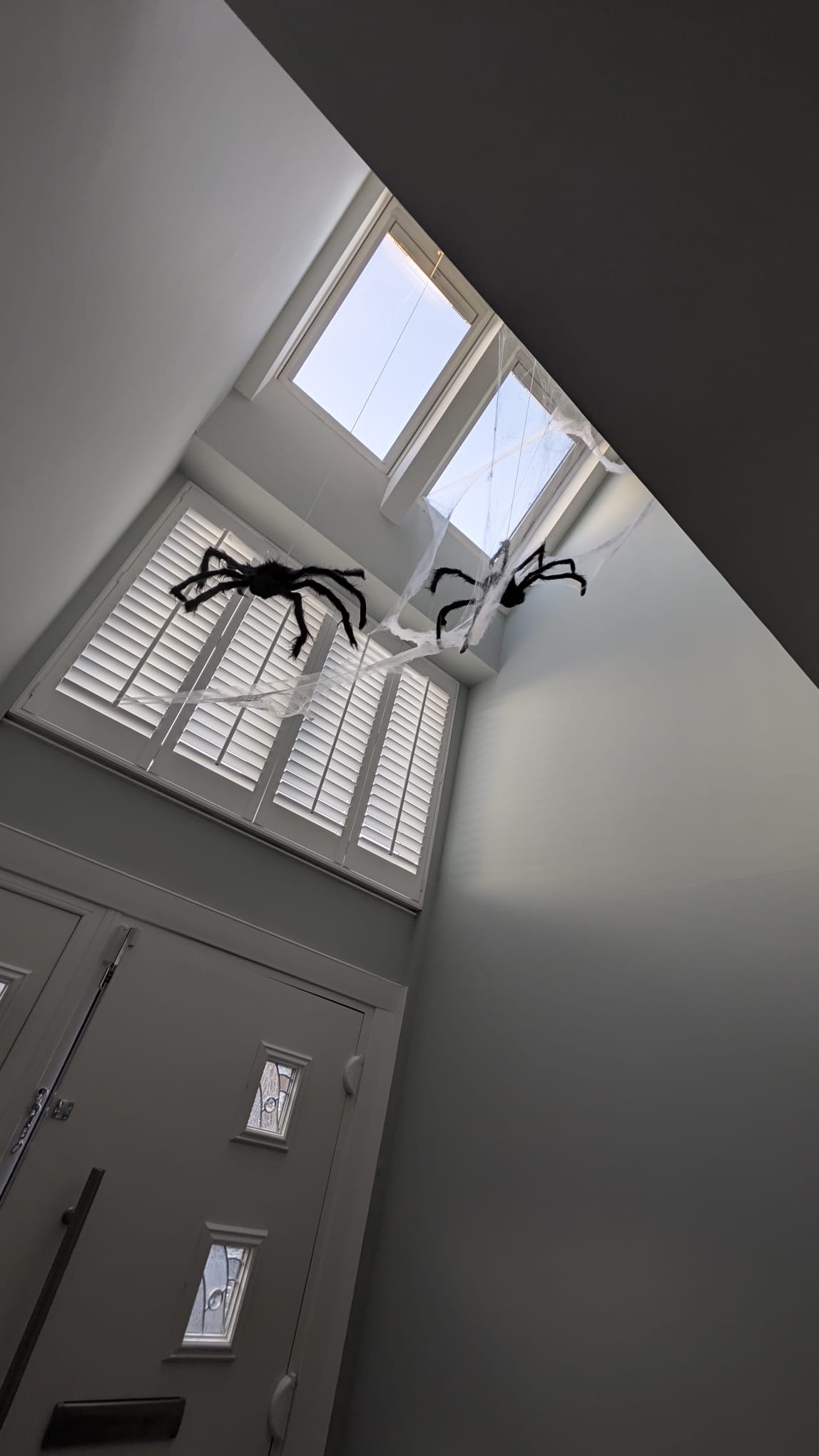
Halloween Decorations
I also had a lovely day at Decorex, looking at beautiful interiors and getting inspiration. It's always interesting seeing the latest trends, but it also got me thinking about something I come back to a lot in my work: a home can look beautiful, but does it actually work for the people living in it?
If you've ever searched for decluttering tips online, you've probably come across pictures of immaculate homes. Empty worktops, perfectly styled shelves and not a toy, family photo or random charging cable in sight! Don't get me wrong, these spaces can look lovely. But for most of us, that isn't real life. We have children, busy schedules, seasonal decorations, things we love collecting and everyday belongings that need somewhere to go. Our homes should reflect who we are, the memories we've made and the things that make us happy. So how do we create a home that feels calm without losing all that personality?
The good news is, you don't need to get rid of everything you love. It's about finding the right balance.
Clutter Isn't Always About Having Too Much Stuff
When a room feels overwhelming, it's easy to assume the answer is to have a big clear-out. Sometimes that helps, of course, but visual clutter isn't always about how much stuff we own. It can be about how much is competing for our attention.
Think about things like:
Open shelves packed with lots of different items.
Colours and patterns that don't quite work together.
Furniture that feels too big for the room.
A room that has lots of different purposes but no clear zones.
Everyday things that never seem to have a proper home.
Individually, these things might not seem like a big deal. But when they're all happening in one space, the room can start to feel busy and difficult to relax in. For some people, particularly some neurodivergent individuals and people with ADHD or autism, a visually busy environment can contribute to feelings of overwhelm or overstimulation. Everyone experiences their surroundings differently, though, and what feels calming to one person might feel too bare to another.
That's why neurodivergent interior design isn't about following a set of rules or making every home look the same. It's about understanding the person living there and what works for them.
Curate, Don't Eliminate
One thing I really don't believe is that you need to get rid of all your belongings to create a calmer home. Your favourite books, family photographs, children's artwork and little things you've collected over the years are often what make your home feel like yours.
Instead of asking yourself, "What can I get rid of?", try asking, "What do I want to notice?" Perhaps there's a favourite piece of artwork you'd love to give more attention to, or a collection of treasured items that would look lovely together rather than spread across several shelves. Sometimes, simply giving things a little more space can make a difference.
It's not about creating an empty, minimalist home. It's about being a bit more intentional with what you display, so the things you love don't get lost amongst everything else.
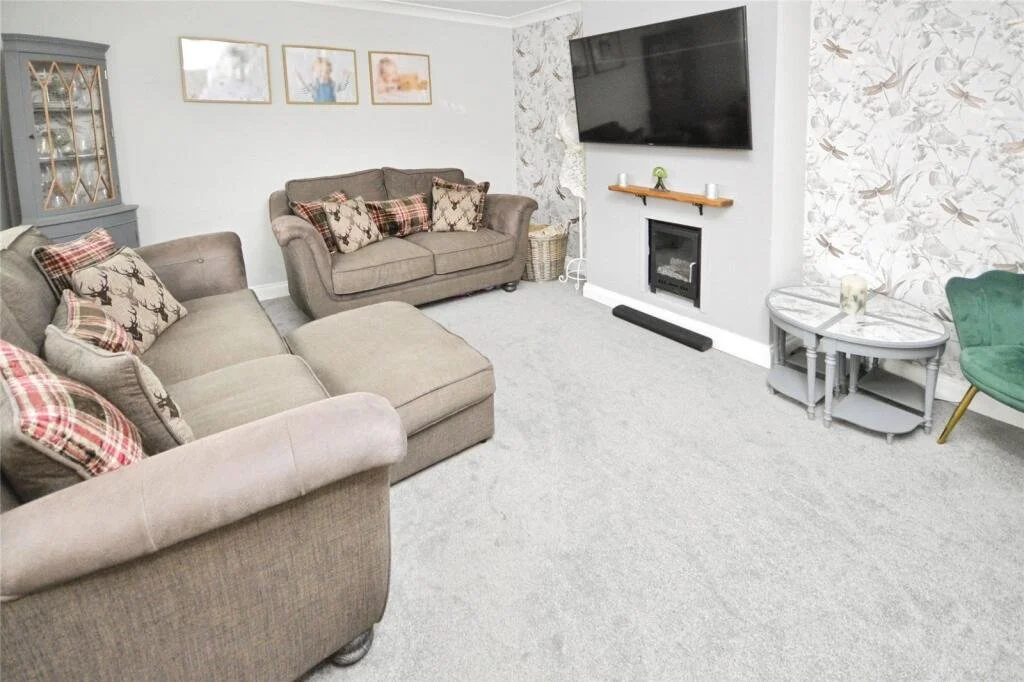
Give Every Space a Job
Have you ever walked into a room and wondered how it became the place where absolutely everything ends up? Perhaps your dining table is used for meals, homework, paperwork and charging everyone's phones. Or maybe your spare room has become an office, storage room and somewhere to put the laundry you've not quite got around to folding. I'm sure many of us can relate!
When a room has to do lots of different things, it can quickly start to feel chaotic. This is where thoughtful spatial planning for homes can make a real difference. Think about how you use each room and whether the furniture and layout support those activities. Could you create a clearer workspace? Would a small change to the furniture arrangement make it easier to move around? Could everyday items be stored closer to where you actually use them?
Good furniture and layout planning isn't necessarily about buying more things. Sometimes, it's about making better use of what you already have.
Think About What You See First
Here's a little thing to try next time you walk into a room: stop for a moment and notice where your eyes go first. Is there a particular piece of furniture or artwork that catches your attention? Or does your eye jump from one thing to another because there's so much to take in? Having a focal point can help a room feel more considered. It might be a favourite painting, a beautiful lamp or a shelf displaying a few things you really love.
You don't need to redecorate or spend lots of money. Just look at what's around that feature. Is anything else competing for attention? Could moving a few things help your favourite item stand out? When everything is trying to grab your attention, it's harder for anything to shine.
Storage Matters More Than You Might Think
Storage probably isn't the most exciting part of interior design, but it can have a huge impact on how your home feels and functions. And it's not simply about hiding everything away in cupboards. For some people, having belongings visible makes them easier to find and remember. For others, seeing lots of things on display can feel distracting. Neither approach is wrong; it comes down to what works for you.
When I think about creating sensory-aware spaces, I consider how storage can support the person using the room. Could everyday items be easier to access? Would closed storage help reduce visual distractions? Or would open shelving make more sense for someone who needs to see what they have? The aim is to find a balance between keeping things accessible and reducing visual noise where that's helpful.
And if you have a family, remember that storage needs to work for everyone using it. If putting something away is difficult or inconvenient, there's a good chance it won't stay there for long!
Your Home Should Still Feel Like You
Some of my favourite homes aren't the most minimal. They're the ones that feel personal. The children's artwork on the fridge, the books you've read a dozen times, souvenirs from family holidays and photographs that make you smile when you walk past them. These are the things that tell a story and make a house feel like home. When thinking about neurodivergent interior design, I always come back to the individual. A space should take account of someone's needs and preferences, but that doesn't mean stripping away their personality.
You might love colour, patterns and lots of things on display. Someone else might prefer a simpler, more understated space. Both can work beautifully. It's about understanding what makes you feel comfortable in your own surroundings, rather than trying to make your home fit someone else's idea of what it should look like.
Finding the Right Balance
Reducing visual clutter isn't about having fewer belongings at all costs, or making your home look like something from a magazine. It's about giving the things you love room to shine, making everyday life a little easier and creating a space that feels right for you and your family. Sometimes, a small change to your furniture layout, a rethink of your storage or simply moving a few things around can make a room feel completely different.
And if your home feels a little overwhelming at the moment, you don't need to tackle everything at once. Start with one room, notice what's not working and think about what would make life easier.
Want a Little More Help?
If you'd like more practical ideas for making your home work better for you and your family, take a look at my ADHD Home Design Guide and Autism Home Design Guide. They're designed to help you think about your home in a different way and make more considered design decisions that suit your needs.
And if you'd prefer a little more personalised support, I'd love to help. Whether you're looking for a room redesign, help with furniture layouts or a more complete interior design service, we can look at how your space could work better for you.
I also offer online interior design, so you can get support wherever you're based.
You can find out more at www.sophielawsinteriors.co.uk or email me at sophielawsinteriors@outlook.com.
Because your home doesn't have to be perfect. It just needs to work for the people who live in it. 🤎